Every pet owner knows that heartwarming moment when their dog or cat senses it’s mealtime. You can almost hear the soft jingling of their collar as they rush to the kitchen, their feet pattering across the floor with an exuberance that can melt away any stress of the day. As you prepare their bowl, you might catch them sniffing around in eager anticipation, eyes wide with excitement. But sometimes, that joy can quickly turn to worry. Perhaps you’ve witnessed your furry friend experiencing tummy troubles after a meal, or maybe you’ve questioned whether the food you’re offering them is truly the best choice.
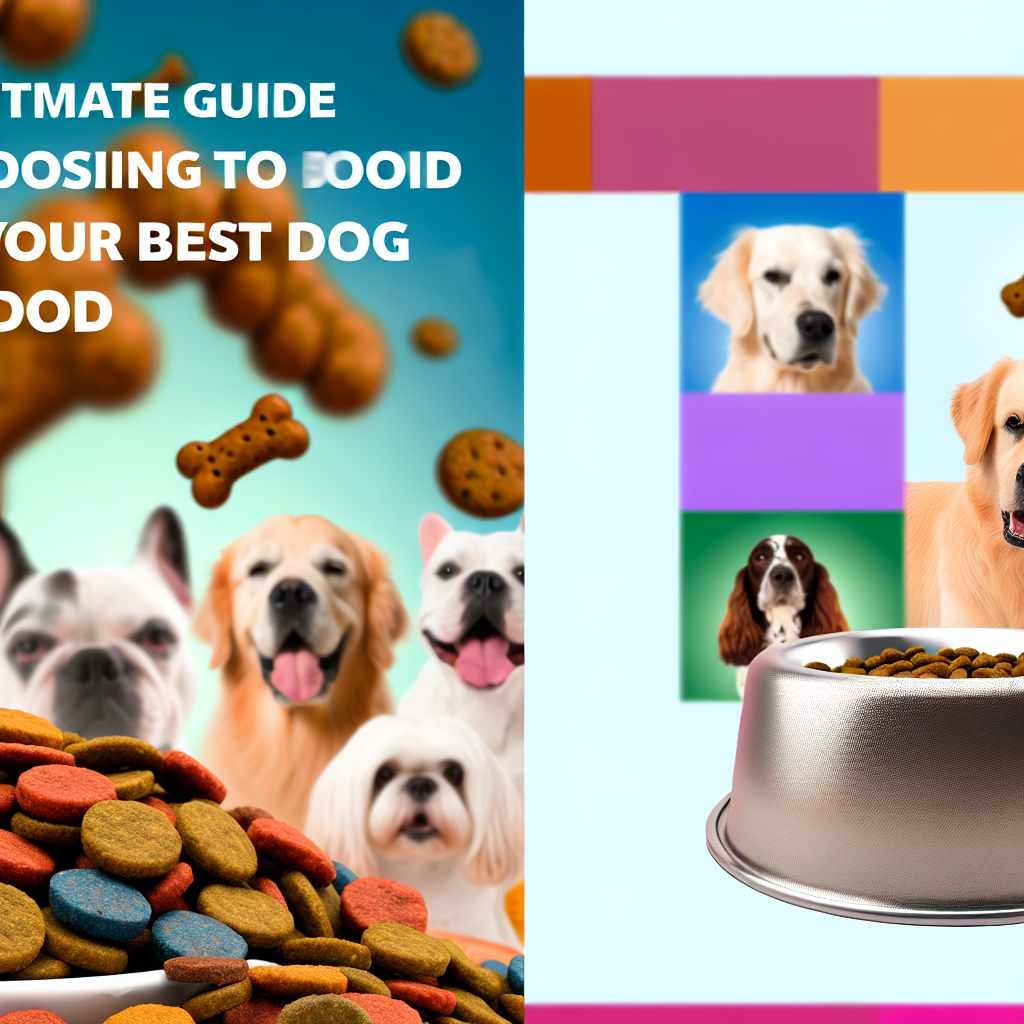
Navigating the world of pet food can feel daunting, especially when you want to ensure your companion has the healthiest and happiest life possible. This quest is not just about nutrition; it’s about love and care. Every scoop of food is a promise that you’re providing the best for your beloved pet. So, let’s embark on this journey together, exploring how to choose the best dog food that will keep tails wagging and hearts full.
The truth is, selecting the right food can significantly influence your dog’s health, behavior, and overall happiness. With so many options available, it can be overwhelming, but understanding your pet’s needs and preferences can simplify the process. We want the best for our companions—after all, they rely on us to make those choices for them.
Why This Matters for Your Pet
Food is the foundation of a long and healthy life for your furry friend. A well-balanced diet ensures that your dog gets adequate nutrients, thus supporting their essential bodily functions, energy levels, and immune system. Poor nutrition can lead to various health issues, such as obesity, digestive problems, and even skin conditions—the last things any pet parent wants to contend with.
Choosing the right dog food means more than just reading labels; it’s about understanding what creates a happy and lively pet. Food can affect not only their physical health but also their mood and behavior. Have you noticed your dog being playful and energetic? Perhaps it’s because they’re getting the right nutrients! So, what should you look for in dog food to ensure your pet thrives?
How to Choose the Right Option
Understand Nutritional Needs: Dogs require a balanced diet that includes proteins, carbohydrates, fats, vitamins, and minerals. Make sure the food has high-quality proteins (like chicken or lamb) as one of the primary ingredients.
Consider Age and Size: Puppies, adults, and senior dogs have different needs. Generally, puppy formulas are richer in nutrients to support their growth, while senior diets often have fewer calories and more joint-supporting ingredients.
Check for Quality Ingredients: Avoid foods that list fillers like corn or soy as primary ingredients. Look for whole ingredients—if you wouldn’t eat it, why should your pet?
Allergies and Sensitivities: Pay attention to any signs of allergies, such as itching or upset stomach. Some dogs may require grain-free options or limited-ingredient diets.
Brand Reputation: It’s wise to choose brands with good reviews. Research companies to ensure they prioritize pet health and safety.
Best Choices in India
Here’s a brief comparison to guide you in selecting a suitable dog food brand available in India:
Brand
Type
Key Features
Price (Approx.)
Pedigree
Dry & Wet
Budget-friendly, good for healthy coats
₹800 per kg (dry)
Royal Canin
Dry
Customized diets for different breeds
₹1,500 per kg
Hill’s Science Diet
Dry & Wet
Focus on veterinary recommendations
₹1,800 per kg
Orijen
Dry
High protein, grain-free
₹4,500 per kg
Acana
Dry
Fresh ingredients, rich in protein
₹3,000 per kg
Things Pet Parents Usually Miss
Many pet owners, in their quest to provide the best, sometimes overlook a few simple things:
Transition Gradually: If switching foods, do so gradually over a week to prevent digestive upset.
Read the Feeding Guidelines: Each brand has specific feeding guidelines based on weight and activity level; don’t guess!
Give Fresh Water: Always have clean, fresh water available for your pet to stay hydrated.
Monitor Your Pet’s Reaction: After changing food, keep an eye on your dog’s energy levels and digestive health.
Common Questions
What should I feed my dog if they’re picky eaters?
Dogs can be finicky! Try mixing wet food with dry, or adding some bone broth for flavor.
How often should I feed my dog?
It generally depends on age and size. Puppies typically eat more often than adults.
Are grain-free diets better for dogs?
Not necessarily; most dogs can digest grains well. Consult your vet if you suspect food sensitivities.
Can I give my dog table scraps?
Certain human foods are safe, but beware of toxic options like grapes and chocolate.
Is homemade dog food a good option?
It can be if formulated correctly, but consult with your vet to ensure balanced nutrition.
Why is protein important in dog food?
Protein is essential for muscle development, energy, and overall health.
How do I know if my dog is allergic to the food?
Symptoms include itchiness, digestive issues, or changes in behavior. Consult your vet for a proper assessment.
Conclusion
Ultimately, the journey of choosing the right dog food for your furry friend is a labor of love. Every meal is a chance to nurture and support their vitality, ensuring they feel cherished and healthy. Remember that every dog is unique, and what works for one may not work for another. Stay observant, patient, and in tune with your pet’s needs.
Together, let’s commit to providing them the care they deserve, filling their bowls with love, and creating moments that turn into delightful memories. After all, a happy pet leads to a happy home.