Every day, as the sun rises over bustling streets and quiet lanes alike, countless pet owners wake to the gentle nudges of their furry friends. Picture this: a loyal dog excitedly sniffing the air, wagging its tail, as its bowl fills with food. For a pet parent, that joy is mesmerizing—it’s those little moments that weave the fabric of our lives together. But what happens when your beloved companion seems less than thrilled about their meals? Perhaps they’re dealing with pesky tummy issues or just turning their nose up at the bowl. It’s a scenario many of us know too well, and it can tug at the heartstrings.
Switching your dog’s food is not just a practical decision; it’s an emotional journey that can affect your pet’s health and happiness. You want nothing but the best for your furry friend, and that often means making changes that feel daunting. But fear not! Just like every wagging tail has a story to tell, navigating the world of pet nutrition is a journey worth taking together. Let’s explore this transition in a way that nurtures both your dog’s stomach and your peace of mind.
Why This Matters for Your Pet
Choosing the right food for your dog can make a world of difference. Think of it as the foundation of their well-being. The right diet fuels their energy, supports a shiny coat, and promotes overall health. Transitioning to a new food can often be necessary—whether due to allergies, changes in dietary needs, or simply wanting to provide better nutrition. But the process can be tricky. A sudden change might lead to digestive troubles or aversion to food altogether. Your pup relies on you to make this transition smoothly and comfortably.
Benefits for Indian Pet Owners
In India, the variety of dog food options available can be overwhelming. Local brands, international imports, grain-free options, or those enriched with traditional ingredients all beckon from the shelves. Yet, it’s not just about choosing a brand; it’s about nurturing a relationship built on health and trust. The right dog food can lead to:
Improved digestion and lower incidence of tummy troubles
Enhanced energy levels, making every walk or playtime adventure a delight
A shinier, healthier coat that reflects diligent care
Fortified immune systems, helping to ward off common ailments
Contentment and satisfaction that shows in their wagging tail
Common Mistakes to Avoid
In the quest for the perfect food, many pet owners can accidentally fall into traps that complicate the transition. Here are some common pitfalls to steer clear of:
Sudden Switch: Jumping from one food to another without a gradual change can lead to gastrointestinal distress. The old rule remains: slow and steady wins the race!
Ignoring Ingredients: Just like we pay attention to what we consume, it’s crucial to scrutinize the ingredients in your pet’s food. Look for natural ingredients and avoid foods laden with fillers and artificial additives.
Neglecting Dog’s Unique Needs: Each dog is an individual, with specific health concerns or dietary requirements. What works for one may not necessarily work for another.
Forgetting to Monitor Changes: Keep an eye out for any changes in your dog’s behavior or health after a switch. This helps you catch any issues early on.
Practical, Friendly Advice
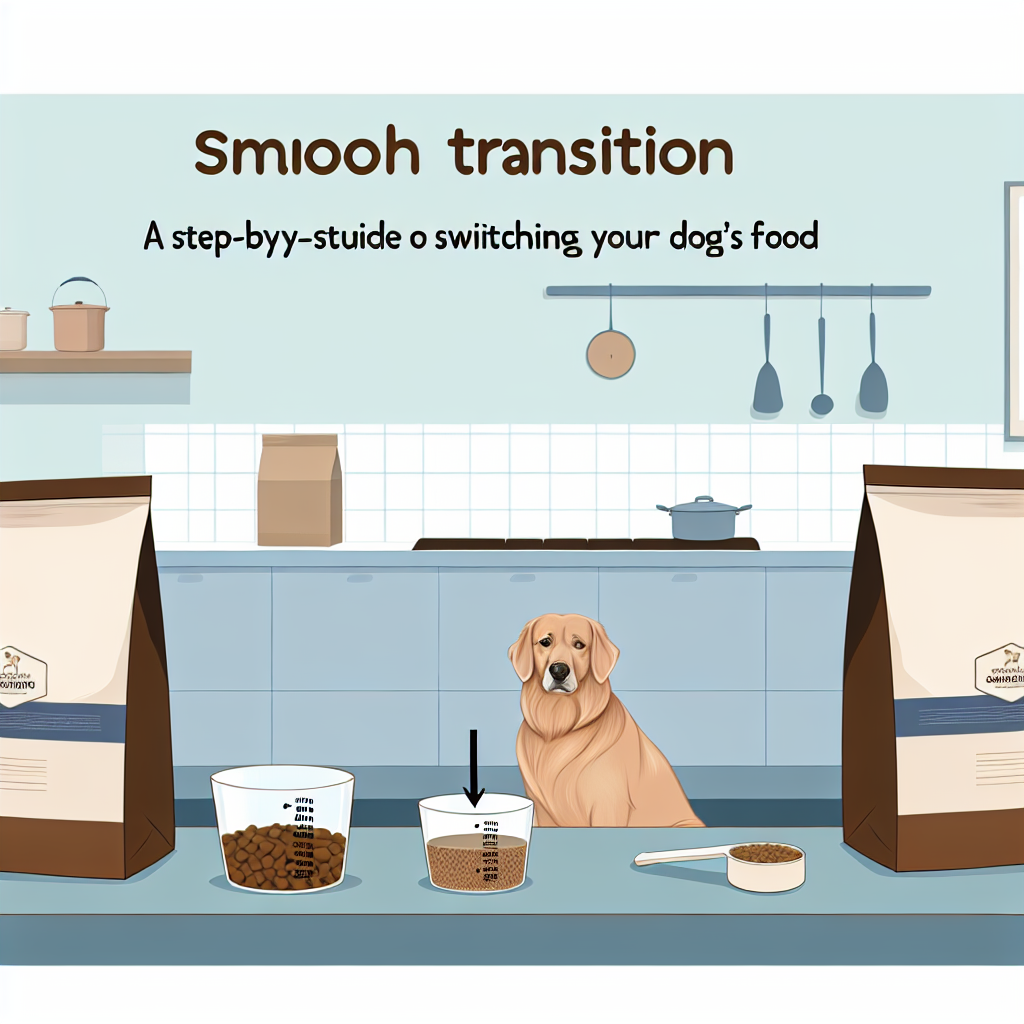
The process of changing your dog’s food can be broken down into simple, manageable steps. A gradual transition typically takes about seven to ten days and looks something like this:
Start Slow: Begin by mixing a small portion of the new food with the old. Aim for about 25% new and 75% old.
Increase Gradually: Every couple of days, raise the amount of new food while reducing the old. Observe your dog’s response throughout this process.
Encourage Positive Associations: Add a touch of excitement! Use mealtime as a bonding experience by incorporating play or training games around feeding.
Stay Attuned: If signs of discomfort arise, slow down the pace. Some dogs may need a longer transition while their digestive systems adjust.
Hydration is Key: Ensure your furry friend has access to plenty of water throughout this transition to keep them hydrated.
How to Choose the Right Option
When selecting a food brand, consider the following:
Life Stage: Puppies, adults, and seniors all have different nutritional needs.
Health Conditions: Any allergies or sensitivities should dictate your choice. Consult with a veterinarian if unsure about ingredients.
Read Reviews: Other pet parents often share their experiences online. Authentic testimonials can guide your decision.
Best Choices in India
With a plethora of brands available, which ones should you consider? Here’s a friendly glance at some popular options in India:
Brand
Key Features
Price Range
Pedigree
Affordable and widely available
₹500 – ₹3000
Royal Canin
Specialized for specific breeds
₹1000 – ₹4000
Taste of the Wild
Grain-free options with protein-rich formulas
₹2000 – ₹7000
Hill’s Science Diet
Vet-recommended for specific health issues
₹1500 – ₹5000
Things Pet Parents Usually Miss
In the hustle and bustle of daily life, it’s easy to overlook the nuances of pet nutrition. Many pet owners forget the importance of:
Quality Over Quantity: Investing in a high-quality dog food can yield better health outcomes in the long run.
Consulting a Vet: Regular check-ups should include discussions about your dog’s diet. Your veterinarian can provide tailored recommendations.
Adjusting Portions: As your dog ages or their activity levels change, their food portions may need adjusting to maintain optimal health.
FAQs
How long should I take to transition my dog to new food?
Typically, a slow transition over 7-10 days is ideal. Start with a small mix of the new food and gradually increase it.
What if my dog refuses to eat the new food?
Try enticing them with a small amount of their favorite treats mixed in or wedge some playtime in before meals.
Can I mix different brands of dog food?
It’s best to stick with one brand at a time during a transition. Mixing may lead to digestive issues.
How do I know if I’ve chosen the right food?
Keep an eye on your dog’s energy levels, coat condition, and overall demeanor. Any sudden changes might indicate a need to reassess.
Is it necessary to change dog food based on age?
Yes, as dogs mature, their dietary needs evolve. Puppy formulas differ significantly from those designed for senior dogs.
How can I prevent my dog from getting bored with their food?
Rotating flavors or trying different textures can keep things interesting for your pup.
Are homemade diets better than commercial dog food?
While homemade meals can be nutritious, they require careful planning to ensure all nutritional needs are met. Always consult a vet.
As we wrap up this journey together, it’s important to remember that every choice you make for your precious pup speaks volumes about your love and care. Transitioning your dog’s food isn’t merely about what’s in the bowl; it’s an act of love that underpins their health and happiness. By taking measured steps and keeping a close bond with your furry friend during this process, you’re not just filling a bowl; you’re nourishing their spirit.
So here’s to you, the dedicated pet parent! May your journey be filled with joyful barks, wagging tails, and the peace of knowing you’ve done your best for your furry family member. Remember, each meal is a step towards nurturing a lifetime of health, happiness, and cherished moments together.