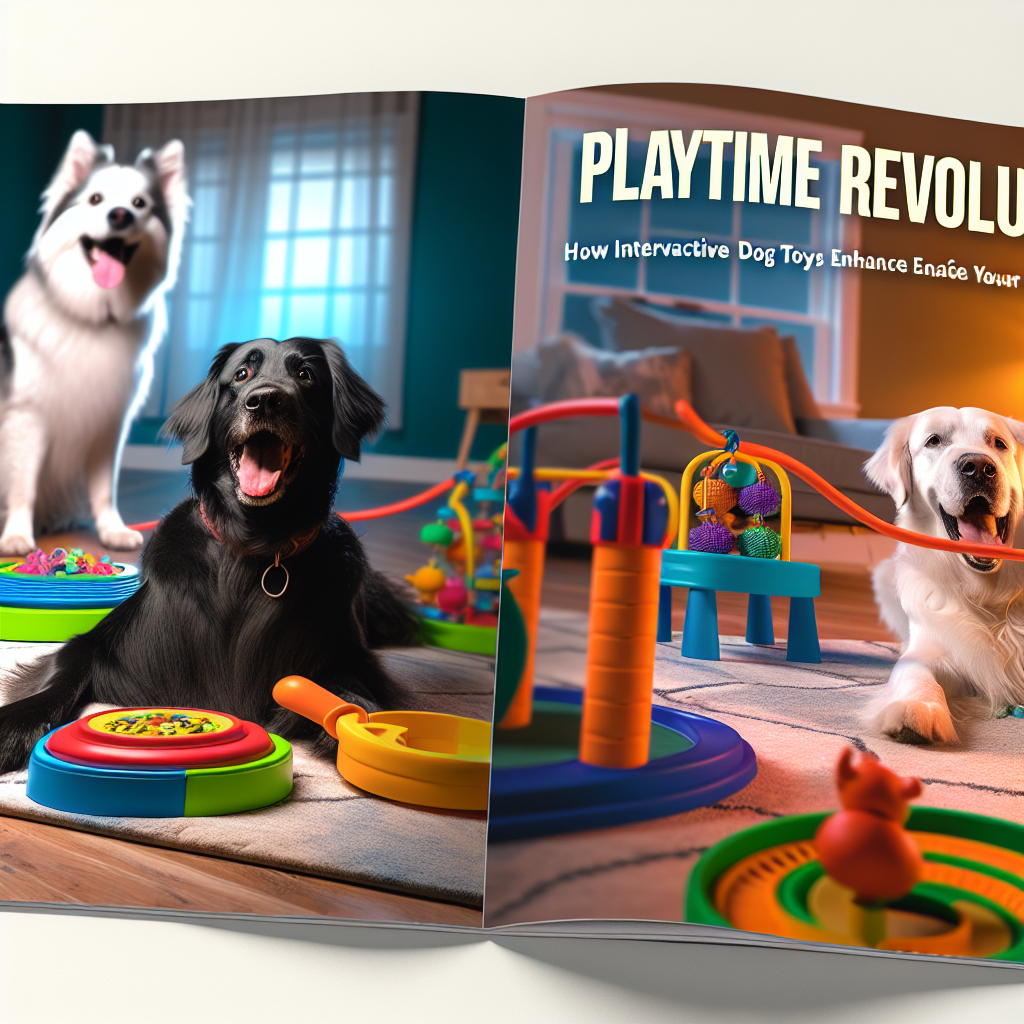
In the heart of our homes, the playful antics of our four-legged companions often intertwine with the very fabric of our lives. Imagine this: it’s a rainy evening, and as you settle in with a cup of chai, your loyal pup, with his wagging tail and eager eyes, brings you his favorite toy—a vibrant, squeaky bone that has seen better days. That moment of pure joy, when he leaps around in excitement, makes you forget about the workday blues. But then, just as the happiness envelops you, you notice that the toy has become less engaging for him, and the sparkle in his eyes begins to dim.
We all want our pets to feel joy every single day, but as time goes on, the same old toys can begin to lose their charm, leading to boredom and even behavioral issues. It’s a common struggle for pet parents, especially in a world bustling with responsibilities where we sometimes overlook the mental stimulation our furry friends crave. In nurturing our pets, we must look beyond the basics of food and shelter, embracing the importance of interactive playtime that enriches their lives and strengthens our bond with them.
The revolution in pet care is here, and it’s time we talk about the incredible world of interactive dog toys. These innovative toys not only provide amusement but also act as a delightful way to engage your pup’s mind and body. Let’s explore how investing in these playtime wonders can profoundly enhance your pet’s life—a great way to strengthen the connection that brings so much warmth to our hearts.
When we consider interactive toys, the benefits they bring are multiple. For one, they address boredom, offering a stimulating alternative to those stagnant moments when your dog is left alone. Think about it: while you’re away at work, instead of lying on the couch, resting until you come back, your dog can engage in puzzle games that challenge his intellect as well as alleviate anxiety.
Moreover, these toys help in burning off excess energy, turning the act of playing into an opportunity for physical exercise. An active pet is a happy pet! The varied activities that these toys encourage—from fetching and tugging to mental stimulation through puzzles—enable your dog to channel his energy constructively.
Another significant aspect is the positive reinforcement associated with play. As your dog figures out how to interact with these toys, he receives engagement cues from you when you applaud or play along, fostering a deeper bond between the two of you. This engagement is crucial, as every dog yearns for validation and interaction from their favorite human, making playtime invaluable.
Choosing the right interactive toy can be overwhelming with the myriad of options available. Here are some recommendations to consider:
Puzzle Toys: Great for problem-solving, these toys often require your dog to figure out how to access treats or hidden compartments, perfect for keeping them mentally stimulated.
Fetch Toys with a Twist: Many new toys come with automatic launchers that make fetch even more fun. Your dog can play to his heart’s content, even when you’re busy.
Treat-Dispensing Toys: These offer a reward system that combines play and treat time, turning ordinary snacks into engaging challenges.
With so many options, pet owners often find themselves making common mistakes. The first pitfall is purchasing toys that are too small. Safety should always be a top priority; toys that are too small can pose choking hazards, especially for larger breeds.
Another frequent oversight is neglecting the dog’s age and chew strength. Puppies and senior dogs require different types of toys—what might work for a rambunctious puppy won’t hold up with a gentle chewer. It’s essential to select toys tailored to your dog’s specific needs, size, and type.
Maintaining this level of engagement also necessitates variety. Just like humans, pets can get bored with the same toys. Rotating toys and introducing new ones regularly keeps their interest piqued and prevents the dreaded boredom from taking hold.
Common Questions Among Pet Owners
1. How often should I rotate my dog’s toys?
Rotating toys every few weeks keeps things fresh for your pup. You could set a schedule to swap toys in and out, allowing your dog to “discover” old favorites periodically.
2. What materials are safest for dog toys?
Look for toys made from durable, non-toxic materials, such as natural rubber or fleece. Avoid those with small parts that can break off.
3. Can interactive toys help with separation anxiety?
Yes! Engaging toys can distract your dog during your absence, keeping their mind busy and alleviating feelings of loneliness.
4. How do I introduce a new toy to my dog?
Present the toy enthusiastically; play with it yourself to spark your dog’s interest. Let them explore it at their own pace.
5. Are expensive toys worth it?
Quality often matters. Cheaper toys might not last long, while better-made toys provide ongoing engagement and safety.
6. Is playtime enough exercise for my dog?
While interactive toys provide excellent mental stimulation, physical activities, such as walking or fetch, should complement indoor play.
7. Can my dog play with other pets using interactive toys?
Absolutely! Interactive toys often enrich social playtime, fostering teamwork and friendly competition.
In our collective journey as pet parents, the importance of nurturing our pets through engaging play cannot be understated. Every wag of a tail, every bark of delight, and every playful nudge speaks volumes of their love in return. Investing in interactive dog toys not only elevates your pup’s life but also deepens your bond with them.
As you cuddle your pet tonight, perhaps after a day filled with new toys and fun, remind yourself that responsible pet care goes beyond just keeping them fed and sheltered. It involves nurturing their minds and hearts, creating memories that weave joy into the fabric of your daily lives. After all, nothing compares to the warmth that fills your heart when you see your furry friend thrive, knowing you’ve played a pivotal role in their happiness.