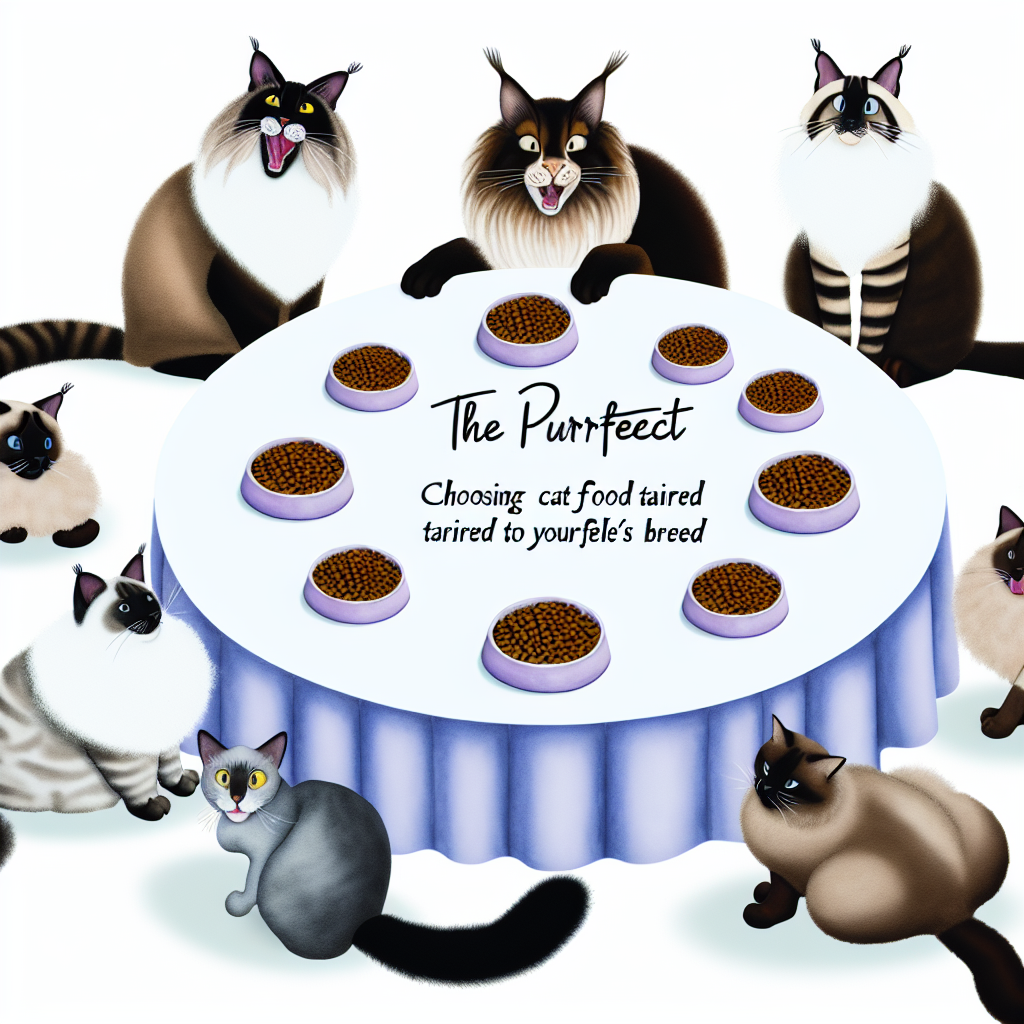
Every pet parent knows that magic moment when they catch their feline friend in an adorable act. Perhaps it’s that instant when your cat, fluffy and curious, sniffs at their food bowl, their eyes wide with expectation. In those seconds, your heart swells with the joy of knowing you’ve provided them a small treasure, a bit of nourishment filled with love. But when it comes time to decide what goes into that bowl, the path isn’t always as clear. The options are overwhelming, and the stakes are high, especially when you realize that not all foods are created equal, and what may be purrfect for one breed might not suit another.
As we embark on this journey to find the ideal cat food for your cherished companion, it’s crucial to understand that every cat is unique, just like you and me. Whether you have a sprightly Siamese, a gentle Persian, or an energetic Bengal, each breed comes with its own set of dietary needs. Choosing the right food can be a heartfelt commitment, one that ensures their health, happiness, and well-being.
Why This Matters for Your Pet
Feeding your cat isn’t just about filling the bowl. It’s a deep act of love that goes beyond mere survival; it’s about nourishing their body and soul. With the right diet, your feline friend will not only thrive but will also become more playful, energetic, and engaged. On the flip side, the wrong choice can lead to numerous issues, from obesity to digestive problems and even stunted growth.
In a land where pets hold a special place in our hearts and homes, understanding the nutritional requirements of your cat’s breed is fundamental. For instance, some breeds, like Maine Coons, have a predisposition to certain health conditions and require a diet that supports their robust frame. Others, like Ragdolls, might need higher proteins because of their active nature. The key is recognizing that the right food can be pivotal in crafting a long, happy life for your furry companion.
How to Choose the Right Option
When it comes to picking cat food, here are some crucial factors to consider:
Age: Kittens, adults, and senior cats have different nutritional needs. Ensure you’re selecting a formula tailored to your cat’s age group.
Activity Level: More active breeds may require higher protein and calorie content. Your Bengal, for instance, thrives on a diet rich in proteins, whereas a less active breed might not need as many calories.
Health Conditions: If your furry friend has any known health issues, consult with a veterinarian for recommendations tailored to their specific needs.
Ingredients: Always read labels. Ensure the primary ingredients are quality proteins, healthy fats, and essential vitamins and minerals. Look for natural ingredients and avoid fillers like corn and soy.
Wet vs. Dry Food: Wet food can be beneficial for hydration and palatability, while dry food is convenient and can help with dental health. A mix of both is often a great option.
Best Choices in India
With a plethora of cat food brands available in India, here are some of the best choices that cater to various breeds and budgets:
Brand Name
Type
Best for
Price Range (INR)
Whiskas
Dry & Wet
General, affordable
250 – 2,000
Royal Canin
Dry & Wet
Breed-specific options
800 – 4,000
Me-O
Dry
Good for sensitive tummies
400 – 2,000
Hill’s Science Diet
Dry & Wet
Complete nutrition
1,200 – 5,000
Nutro
Dry
Grain-free options
2,000 – 5,500
These brands have gained popularity among Indian cat owners for their quality ingredients and nutritional balance. Finding what works best for your feline can be a game-changer in their overall well-being.
Things Pet Parents Usually Miss
Many pet owners may overlook the importance of transitioning their cats to new food gradually. A sudden change can lead to gastrointestinal issues. Mix a small amount of the new food with the old one and gradually increase the ratio over a week. This way, your cat’s digestive system can adapt smoothly.
Another common mistake is not considering the size of the kibble. Some breeds have smaller mouths or specific chewing habits. The size of the food can affect their ability to eat comfortably and properly digest their meals.
Answers to Common Questions
What type of food should I feed my kitten?
Kittens require more protein and calories. Look for kitten-specific formulations that support growth and development.
Can I mix wet and dry food?
Yes! Many pet owners find that a combination of both not only provides variety but also encourages hydration.
How often should I feed my cat?
Adult cats typically do well with two meals a day, while kittens might need more frequent feedings to support their growth.
What if my cat has allergies?
If your cat shows signs of allergies, such as skin issues or digestive upset, consult a veterinarian for a suitable hypoallergenic diet.
Is grain-free food better?
Some cats may benefit from grain-free diets, especially if they have sensitivities, but most cats can digest grains without issue.
How do I know if I’m giving the right amount of food?
Keep an eye on your cat’s weight and body condition. Adjust portions based on their activity level and any health conditions.
Why is hydration important?
Proper hydration supports overall health and can prevent urinary tract issues. Wet food can help with hydration, especially for cats that drink little water.
In a world filled with choices, trusting your judgment about your pet’s needs is crucial. Spend some time observing your feline’s preferences and how they respond to different foods.
The bond you share with your cat is unique, filled with love, trust, and mutual understanding. Making responsible choices about their nutrition shows that you care deeply about their happiness and health.
As you navigate the delightful, yet sometimes overwhelming world of cat food, remember: every meal is a moment to connect with your furry friend. Choose the food that allows you to savor those moments, knowing you’re doing everything you can to give them a purrfect life.