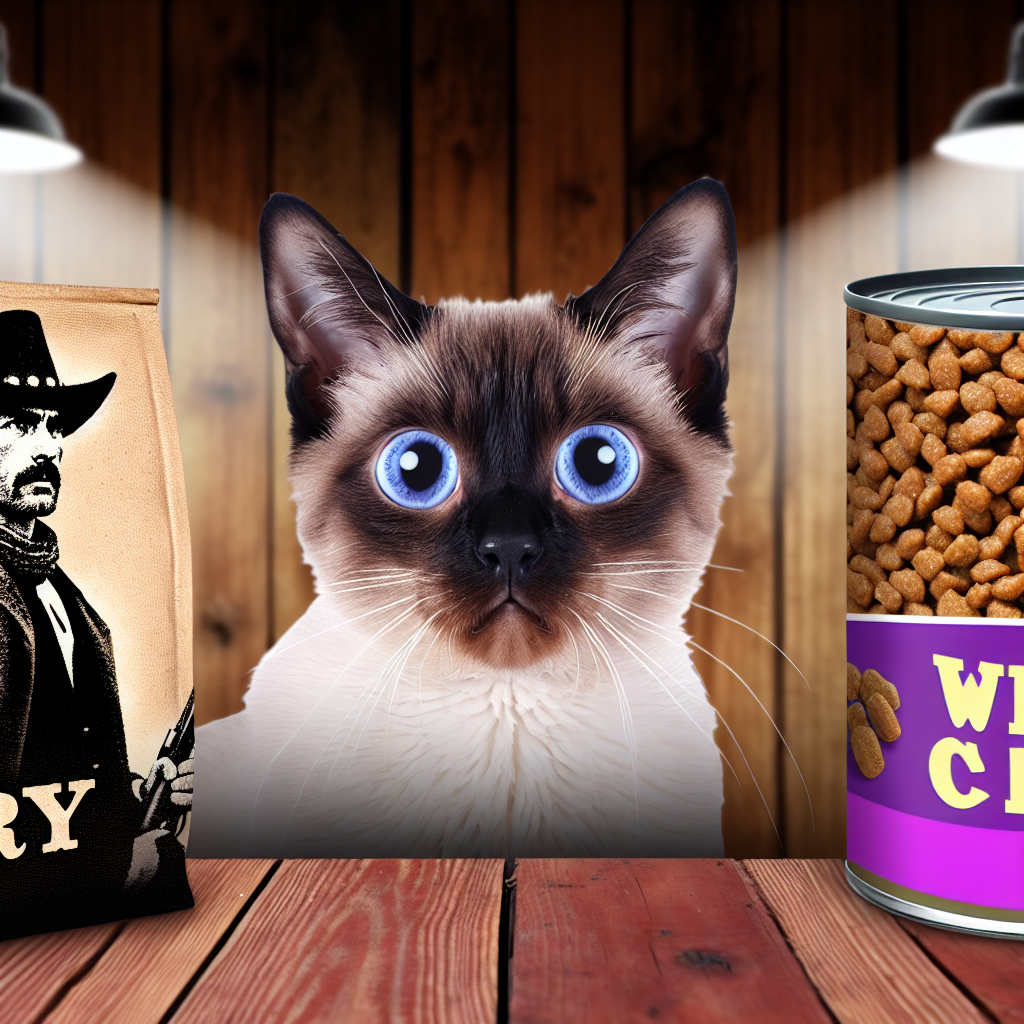
Every pet parent knows that moment when your cat’s eyes gleam with excitement just before mealtime. You can almost hear the gentle thudding of their paws as they bound towards their bowl, their whiskers twitching in anticipation. It’s a daily ritual that brings joy, not just to your furry friend, but to you as well. You might have even felt a pang of worry while watching them sniff at their food, wondering if it’s the right choice, especially if tummy trouble has struck before.
These moments—filled with excitement, concern, and love—underscore just how important our pets are to our lives. As you stand there, patiently waiting to see which treat they’ll devour, you find yourself grappling with a crucial choice: should you serve dry food or wet food today? The answer might seem straightforward, but it often leads to confusion among pet owners.
Choosing the right food for your feline friend is not just about filling their bowl; it’s about their health and happiness. Understanding the differences between dry and wet cat food and how each can serve your pet’s needs is essential for every responsible pet owner. Let’s dive deep into this ultimate showdown, so you can make informed choices that keep those whiskers twitching with delight.
Understanding Dry and Wet Cat Food
Dry cat food, often called kibble, is convenient and long-lasting. It’s the go-to for many busy pet parents, simply because it requires no refrigeration and can be easily stored. This type of food tends to be lower in moisture and often has a higher carbohydrate content.
On the other hand, wet cat food comes in cans or pouches and has a significantly higher moisture content, which can be hydrating for your cat. It usually contains more protein and fewer carbohydrates than dry food, making it a popular choice for hydrating and nutrient-rich eating.
Why This Matters for Your Pet
Making the right choice between dry and wet food is vital for your cat’s overall wellness.
Hydration: Cats often do not drink enough water, which can lead to urinary tract issues and kidney disease. Wet food can help ensure they get adequate moisture in their diet.
Dental Health: Dry food is often believed to promote better dental health because the texture can help reduce tartar build-up. However, it’s important to note that not all kibbles are created equal.
Weight Management: Understanding the calorie density of both options can aid in maintaining your cat’s weight. Wet food is generally lower in calories per gram but can help your cat feel fuller due to its moisture content.
Choosing Quality Ingredients: It’s vital to look at the ingredients list. High-quality proteins and real meat should be at the top for both types of food. Avoid fillers like corn, soy, or artificial additives, as these offer little nutritional benefit for your feline friend.
Common Mistakes to Avoid
As many of us navigate the world of pet food, it’s easy to fall into traps that compromise our pets’ health. Here are some of the most common pitfalls:
Ignoring Labels: Always read the labels on pet food. Many brands use marketing jargon that can be misleading. Look for specific animal proteins and avoid vague terms.
Switching Foods Too Quickly: Transitioning from one type of food to another should be gradual to avoid upsetting your cat’s stomach. Mix small amounts of the new food with the old, gradually increasing the portion over a week.
Overestimating Portion Sizes: Check feeding guidelines and portion sizes according to your cat’s weight and age. Overfeeding can lead to obesity and related health issues, which are increasingly common in domestic cats.
Neglecting Dietary Needs: Every cat is unique. Factors like age, weight, and health conditions can influence their dietary requirements. Always factor in these needs when selecting food.
How to Choose the Right Option
When considering dry versus wet food, think about your lifestyle and your pet’s individual needs. Here are some friendly suggestions to guide your decision:
Hydration Needs: If your kitty is prone to urinary tract problems, wet food might be the better option.
Activity Level: More active cats might thrive on a dry food formula that fuels their energy.
Dental Health: If tartar build-up is a concern, include some dry food in their diet, but consider incorporating dental treats that support oral hygiene.
Taste Preference: Cats can be particular about what they eat. If your kitty shows a distinct preference, it’s wise to listen. A happy, well-fed cat is always the goal!
Best Choices in India
In the vibrant marketplace of India, there are many options available that cater to various needs. Some popular brands are:
Whiskas: Known for offering both wet and dry food, Whiskas provides balanced nutrition with flavors that appeal to cats.
Pedigree: Widely available in both formats, Pedigree focuses on the health benefits associated with their ingredients.
Royal Canin: Particularly renowned for its breed-specific formulas, Royal Canin also has a variety of wet food options.
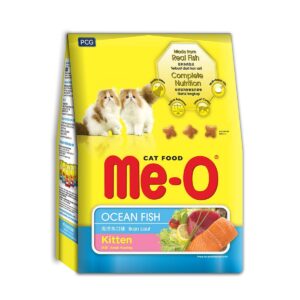
Me-O: This brand offers affordable yet quality options, with a good mix of dry and wet food choices.
Things Pet Parents Usually Miss
In the hustle and bustle of daily life, it’s easy to overlook key aspects of pet nutrition. Here are a few that are often missed:
Regular Vet Check-ups: Staying updated with your cat’s health can inform your food choices. Vets provide insights that may shift your dietary preferences.
Usage of Supplements: In some cases, adding supplements to their diet could enhance their health. Omega fatty acids, for example, can improve skin and coat health.
Reading Reviews: Fellow pet owners often share valuable experiences that can guide you in making informed decisions.
Common Questions from Pet Owners
Is dry food better than wet food for cats?
It depends on your cat’s specific needs. Dry food is convenient and can help with dental health, while wet food offers hydration and higher protein content.
How much wet food should I feed my cat?
It depends on your cat’s weight and energy level, but refer to the feeding guidelines on the food label and adjust based on your cat’s needs.
Can I mix dry and wet food?
Yes, many pet parents find that mixing both can provide a balanced diet and cater to their cat’s preferences.
What are the dangers of feeding my cat dry food exclusively?
A diet high in dry food might lead to dehydration, especially if your cat doesn’t drink enough water.
How can I transition my cat to a new food?
Gradually mix the new food with the old, increasing the new food’s proportion over a week to avoid causing digestive upset.
How do I know if my cat is allergic to their food?
Look for symptoms such as unusual scratching, gastrointestinal issues, or skin irritations, and consult your vet if you suspect a food allergy.
Are there specific brands recommended for Indian cats?
It varies, but brands like Whiskas, Royal Canin, and Me-O are generally well-received in India, offering options tailored to local tastes.
Conclusion
Ultimately, the choice between dry and wet cat food should be guided by what brings out the best in your furry friend. Each option has its benefits and drawbacks, but both are rooted in love and care. Always consider your cat’s unique preferences and health needs. With the right dietary choices, you can ensure your feline companion thrives, wagging their tail—with that unmistakable sparkle in their eyes—every time meal time rolls around.
As pet parents, let’s commit to nurturing our beloved companions with the knowledge and love they deserve. After all, a happy cat means a happy home.