Every pet parent experiences that tender moment when their beloved dog or cat gazes up at them, eyes sparkling with anticipation, as they sniff the air filled with the aroma of their meal. It’s a simple scene, but the joy of watching our furry companions get excited about their food can transform even the roughest of days. Yet, behind those eager tails wagging and inquisitive noses twitching lies a significant choice: dry food or wet food? This decision carries weight, affecting not just their health but also their happiness.
As devoted pet owners, we deeply care about what goes into our pets’ bowls. We want to provide them with nutrition that supports their playful antics, rather than a source of tummy troubles or health issues. And sometimes, amidst the array of options available, it can feel overwhelming to choose the best food for our furry friends.
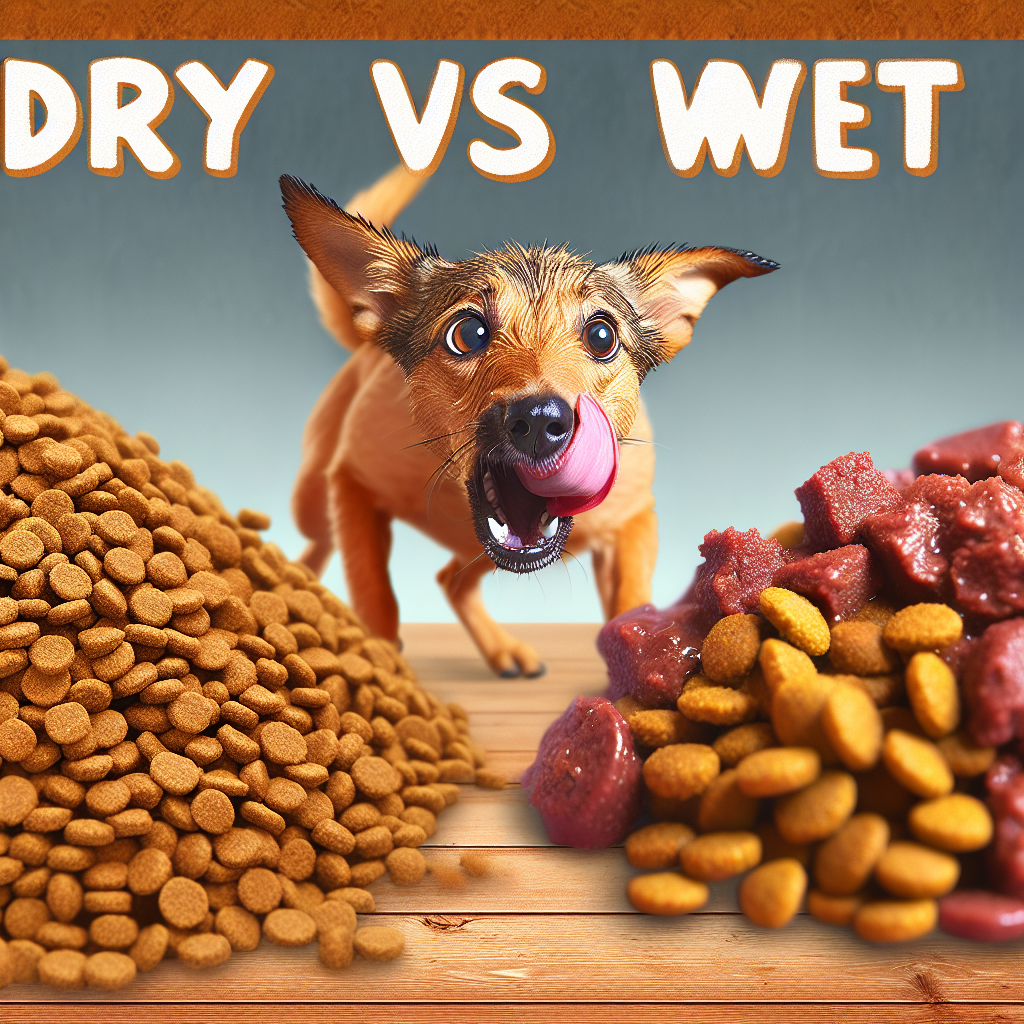
Let’s dive into this ultimate showdown of dry versus wet dog food, recognizing their benefits and drawbacks while ensuring our pets lead healthy, happy lives.
Why It Matters for Your Pet
The type of food we choose for our pets can significantly impact their well-being. Both dry and wet foods offer unique advantages and potential pitfalls.
Dry food (often called kibble) tends to have a longer shelf life and is generally more affordable. It’s easy to measure and store, making it convenient for busy pet parents. However, many worry it may risk dental health, as it doesn’t provide the same hydration benefits as wet food.
Wet food, on the other hand, is often richer in protein and moisture. Many pets find the texture and taste far more appealing, and this can encourage proper hydration, especially for those who might not drink enough water throughout the day. But it can be pricier and less convenient for long-term storage.
Understanding these differences can help you fine-tune your pet’s diet according to their individual needs.
How to Choose the Right Option
When deciding between dry and wet food, consider the following factors:
Age and Activity Level: Puppies and active dogs usually require more nutrients and protein, where wet food might provide better benefits. For older dogs or less active pets, dry food can help manage weight and maintain dental health.
Health Conditions: Certain medical conditions, like kidney issues or diabetes, may influence your choice. Wet food can help with hydration, while specific dry food formulas might be more suitable for weight management.
Palatability: Some pets can be picky eaters. If your furry friend turns their nose up at dry food, wet food could be the solution to ensure they receive the necessary nutrients.
Budget: It’s essential to keep your budget in mind. Kibble tends to be more budget-friendly overall, but you can mix the two types to strike a balance between indulgence and nutrition.
Best Choices in India
There’s a plethora of options available to Indian pet parents. Here are some popular choices that are highly rated:
Food Type
Brand
Benefits
Dry
Pedigree
Affordable, good for dental health
Dry
Royal Canin
Tailored for different breeds and life stages
Wet
Whiskas
Loved by cats, high moisture content
Wet
Feline Porta 21
Natural ingredients, rich in protein
Whichever option you choose, ensure it meets the nutritional standards set by pet food authorities, and always check the ingredient list for quality.
Things Pet Parents Usually Miss
While making food choices, pet parents often overlook a few critical factors:
Transition Period: If switching from dry to wet food (or vice versa), do so gradually over a week to avoid upsetting your pet’s stomach.
Storage Conditions: Store dry food in airtight containers to prevent moisture absorption and maintain freshness. Wet food should be refrigerated after opening and used within a few days.
Regular Monitoring: Keep an eye on your pet’s weight and energy levels after changing their diet. If you notice any adverse reactions, consult your veterinarian.
People Also Ask
What is better for dogs—dry or wet food? It depends on your dog’s age, health, and preferences. A combination of both can provide a balanced diet.
Can I feed my dog only dry food? Yes, many dogs thrive on dry food alone, but it’s good to include wet food occasionally for hydration and taste.
How do I know if my dog doesn’t like their food? If they frequently leave their food untouched or seem disinterested, it might be a sign to try something new.
Is dry food good for dogs’ teeth? Kibble can help scrape away tartar, but regular dental check-ups are essential.
Can wet food spoil? Yes, once opened, wet food should be refrigerated and consumed within a few days to prevent spoilage.
Final Thoughts
Choosing the right food for our furry family members can be daunting, but remember, it’s about finding what works best for your pet and their unique needs. Whether you lean towards dry or wet food, always prioritize quality and nutrition.
As you make these choices, reflect upon those happy moments spent together, the playful barks and gentle purrs that fill your home with joy. You are their world, and ensuring they receive the best possible care is the highest act of love you can offer.
So, take a deep breath, trust your instincts, and keep your beloved pet happy and healthy—because they deserve nothing but the best!