Every pet parent knows that moment—after a long day, you walk through the door, and there they are, tail wagging, eyes shining with excitement. Your furry friend bounds toward you as if you’ve returned from an eternity away. It’s in those moments that we often forget everything else. But then comes mealtime, an anticipation-filled routine that can sometimes lead to worry. Have you ever looked at your dog’s bowl, knowing you want the best for them, yet uncertain about what truly qualifies as “best”?
The rise in grain-free dog food options has sparked a heated debate among pet owners. Is it the healthier choice, or could it carry risks? As a dedicated pet parent, you want to ensure your darling companion is thriving, not just surviving. With so many choices flooding the market, it’s understandable to feel overwhelmed. Let’s dive into the intricacies of grain-free dog food and determine whether it deserves a spot on your pet’s dining table or if it’s something to reconsider.
Grain-Free Options: What’s the Buzz?
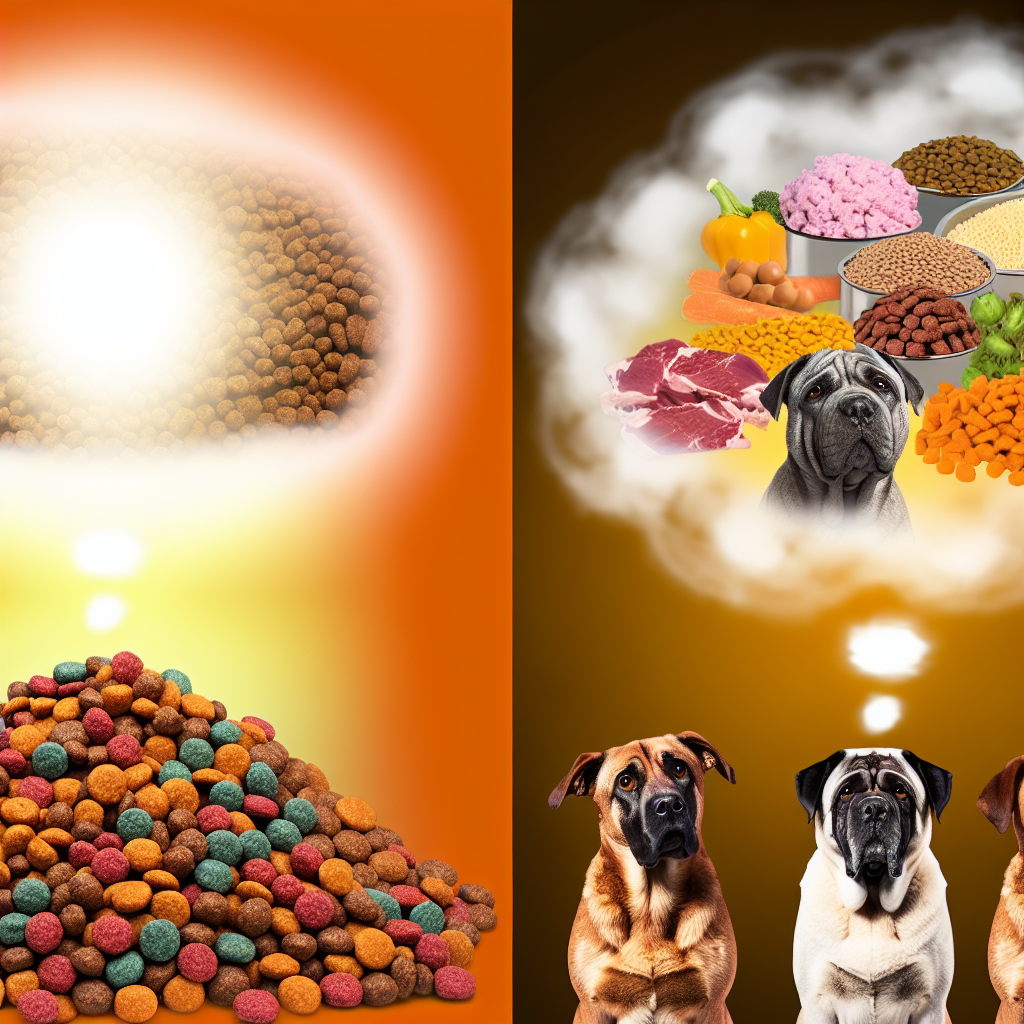
Grain-free dog food omits common grains like wheat, corn, and soy, emphasizing protein-rich ingredients like meat, fish, and vegetables. Proponents argue that many dogs are sensitive to grains, which can lead to tummy troubles or skin issues. Just imagine your beloved pooch, finally free from those uncomfortable gas episodes after switching to a grain-free diet—it’s a dream for many dog owners!
However, it’s essential to tread lightly. While some dogs do benefit from this diet, others might not thrive on it. Understanding your dog’s unique needs is key. Before making any changes, consider consulting your veterinarian to help you navigate this decision.
The Benefits of Going Grain-Free
Opting for grain-free dog food can bring several advantages, especially tailored to Indian dog owners facing common dietary problems:
Allergen Relief: Many dogs are sensitive to grains, which can trigger allergies or digestive issues. Grain-free diets may alleviate these problems, leading to happier, healthier pets.
Improved Digestion: For dogs with sensitive stomachs, grain-free food often includes digestible ingredients that can reduce bloating and promote overall gut health.
Increased Energy: Grain-free formulations typically contain higher protein content. Dogs may experience enhanced energy levels, making playtime or long walks even more enjoyable.
Shiny Coat and Healthy Skin: Many grain-free diets are rich in omega fatty acids, promoting a shiny coat and reducing skin irritations.
Weight Management: Higher protein and lower carbohydrate levels can help in maintaining a healthy weight, which is crucial for your dog’s overall health.
Common Mistakes to Avoid
While the allure of grain-free dog food is strong, there are important pitfalls to avoid. Navigating the pet food aisle with confidence requires awareness of potential missteps:
Not Consulting Your Vet: Every dog is different. A diet change should come with professional advice to ensure it’s suitable for your specific pet.
Ignoring Ingredient Labels: Just because it’s labeled “grain-free” doesn’t mean it’s automatically the best choice. Look for nutritious ingredients, and avoid fillers that don’t offer real dietary benefits.
Overlooking Nutritional Balance: Make sure the food is complete and balanced. Dogs need a variety of nutrients, so it’s crucial that they’re not just missing grains but also receiving all essential vitamins and minerals.
Going Solo: Many pet owners think they can simply switch to grain-free without any gradual transition. This can lead to gastrointestinal distress. Instead, take your time to gradually mix the new food with their old diet.
Taking the Right Steps
When deciding if grain-free food is right for your dog, consider these friendly tips:
Observe Your Dog’s Reactions: Monitor their behavior and health after changing their diet. Look for improvements or signs of discomfort.
Start Slow: Transition gradually. Mix new food with your dog’s current diet over several days to avoid upsetting their stomach.
Choose Quality Brands: Look for reputable brands that offer transparency in their ingredient sourcing. Remember, just as you would for your family, your dog deserves only the best.
Best Choices in India
The Indian market is bustling with options when it comes to grain-free dog food. Here are a few brands that stand out due to their quality and positive reviews among pet parents:
Brand
Key Ingredients
Pros
Royal Canin
Chicken, Potato, Vegetable Mix
Tailored recipes for specific breeds and sizes
Purina Pro Plan
Salmon, Sweet Potato
Emphasis on digestion and immune health
Orijen
Chicken, Turkey, Fish
High protein content with fresh, regional ingredients
Acana
Lamb, Pumpkin, Greens
Varied protein sources and rich in nutrients
PetPlus
Chicken, Vegetables
Affordable and easily accessible across India
Common Questions
It’s natural to have questions when navigating this topic. Below are some frequently asked questions that can help you in understanding the grain-free debate better:
1. Is grain-free dog food suitable for all dogs?
While many dogs thrive on a grain-free diet, it’s not universally beneficial. Certain breeds or individual dogs may do better with grains. Always consult your vet before making a change.
2. Are there any health risks associated with grain-free diets?
Some studies suggest a potential link between grain-free diets and canine dilated cardiomyopathy (DCM). However, further research is needed, so staying informed is essential.
3. Can my dog eat grains if they seem fine?
Yes, if your dog is healthy and not displaying any digestive or skin issues, there’s likely no need to switch to a grain-free diet.
4. How do I know if my dog has a grain allergy?
Watch for signs such as itchy skin, excessive gas, and diarrhea. A veterinarian can help determine if allergies are the issue.
5. What’s the best way to transition to grain-free food?
Gradually mix the new food with your dog’s current diet over 7–10 days, slowly increasing the proportion of the new food.
6. Is grain-free food more expensive?
Grain-free options can be pricier than conventional diets, but many pet owners find it worth the investment in their pet’s health.
7. Are all grain-free foods healthy?
Just because it’s grain-free doesn’t guarantee quality. Always check the ingredient list for meat content and avoid fillers.
In our quest to provide the best for our furry friends, it’s crucial to approach their dietary choices with care and diligence. Your dog counts on you not only for meals but also for a lifestyle that enhances their health and happiness.
As you make decisions about your pet’s diet, remember the importance of being an informed and loving guardian. Together, let’s nurture healthy pups who greet us with joy every day. It’s about more than just food; it’s about caring for the cherished companions who fill our lives with love.




](https://petkammi.com/wp-content/uploads/2025/12/7157ZX83zgL._SL1400_-300x300.jpg "PHOEPET No Pull Dog Harness Medium Reflective Front Clip Vest")