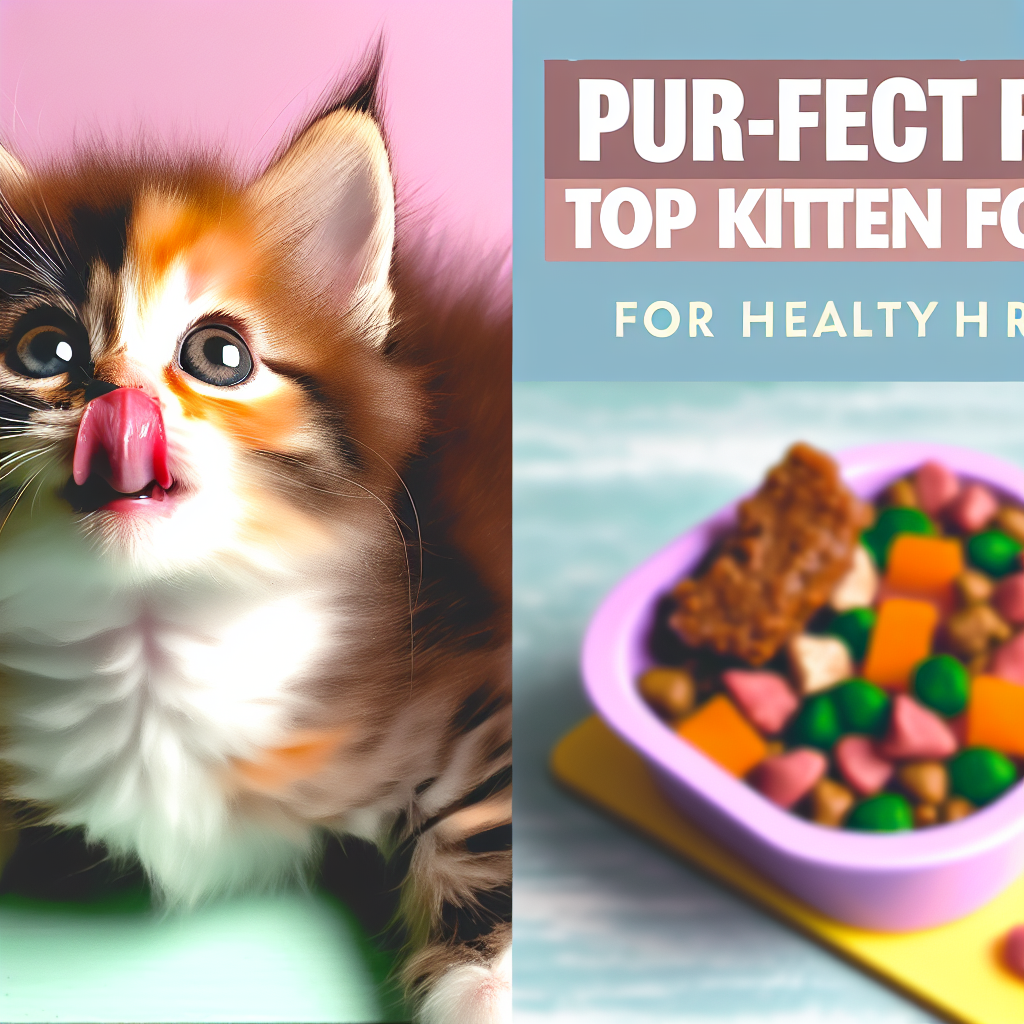
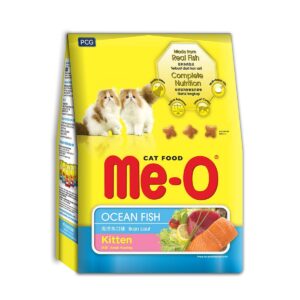
Welcoming a kitten into your home is like adding a new family member. These tiny furballs are full of energy and curiosity, requiring proper care, love, and, most importantly, the right nutrition. As a responsible pet owner, choosing the best food for your little feline friend is crucial for their healthy growth and development. In this blog post, we’ll explore the top 10 kitten foods available in India, helping you make an informed decision that will ensure your kitty grows up strong and happy.
What the Topic Means
When we talk about “kitten food,” we’re referring to specially formulated diets specifically designed for young cats. Kittens have unique nutritional needs, as they require higher amounts of calories, proteins, and certain vitamins and minerals to support their rapid growth. Unlike adult cats, who have more steady dietary requirements, kittens are in a crucial developmental phase and need food that supports their physical and mental growth.
Benefits for Pet Owners
As a pet owner, understanding the importance of proper nutrition for your kitten can lead to various benefits:
Healthy Growth: Quality food ensures that your kitten grows strong and healthy, reducing the likelihood of developmental issues.
Reduced Vet Visits: A well-nourished kitten is less susceptible to various health issues, which means fewer trips to the vet, saving you money and time.
Strong Bond: Feeding your kitten the right food contributes to their energy levels and overall happiness, encouraging a playful and affectionate personality, which enhances your bond.
Peace of Mind: Knowing you’re providing the best nutrition gives you confidence as a responsible pet owner.
Behavioral Benefits: Proper nutrition can also contribute to better behavior in kittens, as a healthier diet often correlates with improved mood and activity levels.
Common Mistakes to Avoid
Ignoring Age-Specific Formulas: Many owners overlook the importance of feeding kittens specialized formulas created for their age group. Always opt for “kitten” specific food, which contains higher protein and fat content.
Overfeeding or Underfeeding: It can be tempting to overfeed an adorable kitten, but it’s essential to follow serving recommendations. Conversely, underfeeding can lead to stunted growth.
Switching Foods Too Quickly: Sudden changes in diet can cause digestive issues. When switching to a new food, introduce it gradually over a week.
Neglecting Hydration: Sometimes, owners forget that kittens need access to clean, fresh water at all times, especially when feeding dry food.
Buying Low-Quality Brands: Not all pet food is created equal. Investing in reputable brands ensures high-quality ingredients and balanced nutrition.
Recommended Tips
Choose High-Quality Ingredients: Look for products that list real meat as the first ingredient. Kittens need sufficient protein for their growth.
Monitor Weight and Health: Keep track of your kitten’s weight and overall health. Adjust their diet accordingly if they seem to be gaining too much or too little.
Introduce Variety: Offering a mix of wet and dry food can keep your kitten happy and provide balanced hydration, proteins, and fats.
Consult Your Veterinarian: Reach out to a vet for personalized nutrition advice based on your kitten’s breed, size, and health status.
Regular Feeding Schedule: Establishing a consistent feeding schedule helps regulate their appetite and supports digestion.
Expert Advice
As Dr. Aditi Sharma, a veterinarian with over a decade of experience in feline care, suggests, “Kittens need a specialized diet that supports their fast metabolism and rapid growth. Quality kitten foods typically contain around 30-40% protein, which is essential for muscle development. Always read the nutritional label and choose brands that prioritize natural ingredients.”
Frequently Asked Questions
What should I look for in kitten food?
Look for high-quality protein sources, fats, vitamins, and minerals. Ensure it’s labeled for kittens, as it addresses their specific nutritional requirements.
Can I feed my kitten adult cat food?
Adult cat food lacks the higher proteins and nutrients needed for growth in kittens. Always opt for kitten-formulated food.
How often should I feed my kitten?
Kittens usually should eat about three to four small meals a day until they’re about six months old, after which you can transition to two meals.
Are there any allergens I should be aware of?
Some kittens may be sensitive to grain or certain proteins. Pay attention to any allergic reactions like itching or digestive issues and consult your vet if you notice anything unusual.
When can I switch to adult cat food?
Generally, you can transition your kitten to adult food around 12 months old. However, consult your veterinarian for personalized advice.
Conclusion
In summary, choosing the right food for your kitten is a crucial step towards ensuring their healthy growth and development. From understanding their unique nutritional needs to avoiding common mistakes, you have all the tools at your disposal to help your little feline thrive. By opting for high-quality foods, monitoring their health, and maintaining a consistent feeding routine, you’re on your way to nurturing a happy and healthy companion. With a little care and the right nutrition, your kitten will not only grow strong but also become an irreplaceable part of your family. Remember, you’re giving them a great start in life—with plenty of love along the way. Happy feeding!