Every pet owner can relate to the joy of watching their beloved cat prance around eagerly during mealtime—their little paws dancing in anticipation as they circle their food bowl. It’s a heartwarming sight, filled with warmth and affection. But what happens when that same moment of excitement gives way to worry? Perhaps your furry friend has been experiencing tummy troubles or simply isn’t as excited about their meal as they once were. These moments remind us how important it is to pay attention to their dietary needs. Transitioning your cat’s diet may seem daunting, but with a little patience and understanding, you can make this process smoother, ensuring your kitty remains happy and healthy.
As pet parents, we deeply care about the well-being of our four-legged companions. Every choice we make for them reflects our love, from selecting the softest bedding to ensuring the food in their bowl is of the highest quality. However, the array of diets available today can be overwhelming. You may have considered switching to a new brand or trying a different formulation to address specific health issues. The task may feel daunting, yet remember that you are not alone in this. Many pet owners find themselves in the same boat, navigating the complexities of feline nutrition while striving to do what’s best for their beloved cats.
Choosing the right diet is crucial. It not only affects your feline friend’s health but also their mood and energy levels. Cats are creatures of habit, and sudden changes can lead to stress—not just for them but for us, too. The good news is that with the right guidance and a gentle approach, you can ensure a smooth diet transition, fostering trust and a stronger bond with your furry family member.
When considering a change in diet, the first step is understanding why it matters. Cats, like humans, thrive on balanced nutrition tailored to their individual needs. Each cat is unique, with different preferences, health requirements, and sensitivities. A well-rounded diet can prevent obesity, manage allergies, and even promote a shiny coat. The right food can transform mealtime from a routine task into an exciting experience for both of you.
Take notice, especially with the many options available in the Indian market—dry food, wet food, homemade diets, and specialty options for allergies or sensitivities. Finding a diet that aligns with your cat’s specific needs can be a journey in itself.
While transitioning their diet, there are a few common pitfalls to be aware of.
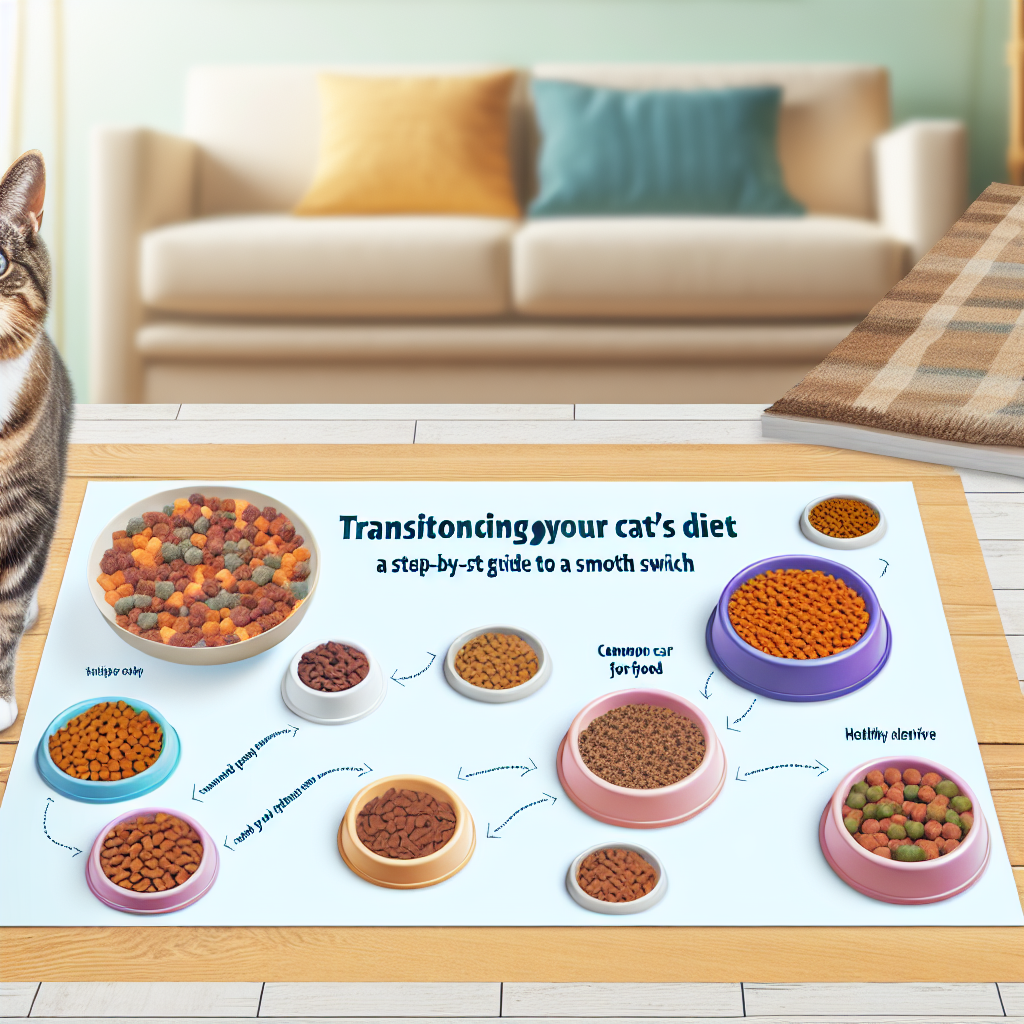
One of the most typical mistakes pet owners make is switching their cat’s food too abruptly. Cats can be particularly sensitive to sudden changes, which may lead to digestive issues or lack of interest in their meals. Instead, it’s advisable to introduce the new food gradually, blending it with the old diet. Start with a small portion of the new food mixed in with the old. Over about a week, you can slowly increase the new food amount while decreasing the old.
Another mistake is not considering their taste preferences. Many cats can be finicky about texture and flavor. Observing your cat’s reaction during this transition can guide you in selecting options they enjoy most.
To help you be more informed, let’s take a look at a simple comparison of some popular food options available in India to guide your choice.
Food Type
Benefits
Considerations
Dry Kibble
Convenient, long shelf life
May lack moisture, requires sufficient water intake
Wet Food
High moisture content, flavor variety
Can be pricier; needs refrigeration once opened
Raw Diet
Natural nutrition
Requires careful preparation and sourcing
Home-Cooked Meals
Tailored to dietary needs
Requires time and knowledge to ensure balanced nutrition
Before making any dietary changes, it’s essential to consult with your veterinarian, especially if your cat has any pre-existing health conditions. A vet can provide personalized recommendations based on your cat’s age, weight, activity level, and specific health needs.
As you embark on this journey, here are some friendly reminders to keep in mind:
Monitor your cat during the transition. Observe their digestion, energy levels, and overall mood. If you notice any adverse reactions—like vomiting or diarrhea—don’t hesitate to consult your vet.
Ensure hydration. Whether you’re feeding dry kibble or wet food, providing fresh water is crucial to your cat’s well-being.
Be patient. Just like us, cats may take time to adjust to new flavors and textures. Celebrate the small victories during this transition.
Here are some common questions pet owners often ask when transitioning their cat’s diet:
How long does it typically take to transition a cat’s diet?
Most cats require about 7 to 10 days to transition, but each cat is different. Go at your cat’s pace for the best results.
What if my cat refuses the new food altogether?
If your cat shows disinterest, try warming up the food slightly or mixing in a favorite treat to entice them.
Can I mix different brands of food?
Yes, you can mix different brands, but be cautious with varying ingredients to ensure balanced nutrition and avoid digestive issues.
How do I know if the new food is right for my cat?
Look for healthy weight, shiny coat, and consistent energy levels as indicators of a successful diet.
Are there specific ingredients to look for or avoid?
Look for high-quality protein as the first ingredient. Avoid foods with excessive fillers or artificial additives.
What to do if my cat is experiencing gastrointestinal issues?
If your cat shows signs of persistent gastrointestinal distress, revert to the previous diet and consult your vet for advice.
Could a diet transition affect my cat’s behavior?
Some cats may exhibit changes in energy or mood during a diet switch, so it’s essential to monitor their behavior and make adjustments as necessary.
As we conclude this journey of understanding how to transition your cat’s diet, remember that the ultimate goal is to enhance their health and happiness. Our pets rely on us to provide not just food but nutrition that nurtures their lives.
Treat every meal as an opportunity to bond and share love, and take pride in the choices you make for their health. With patience, care, and the right information, you can make this a positive experience for both you and your beloved cat. Let’s cultivate a lasting love for good food and better health together. After all, a happy cat is a happy home!